Whether you’re ready to master Japanese cooking or just want to add something new to your weekly menu, this isn’t just a top 10 list of Japanese utensils you
should use, but a list of cooking tools you’ll
love to use. I sure do!
When you look around my kitchen, a lot of my utensils are Japanese. I just can’t do without them, whether I am cooking Japanese food or anything else. They are just very convenient, easy to use, and above all else versatile! Here are my top 10 favorite Japanese utensils (plus a couple extra because I need more than 10 in my kitchen) in no particular order.
- Kotobuki Japanese Fish Bone Tweezers (Honenuki): My daughter always requests a weekly sashimi dinner, so these tweezers come in handy to remove those pesky little fish bones!


2.
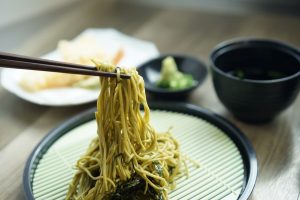
Extra long Natural Bamboo Cooking Chopsticks (Saibashi): I use these extra long chopsticks for cooking everything from Japanese food to pasta! It makes stirring noodles so much easier.


3.
Japanese Rice Cooker (Suihanki): What did we do before electric rice cookers???? They make rice perfectly each and every time. There are many options you can choose from, depending on your budget and if you require ‘fuzzy logic,’ or a digital display. I have pretty basic needs
, but I do require one that also has a warmer, so I can start the rice and forget about it while making the rest of the meal. I know it will be delicious and hot when I serve it every time.


4.
Japanese Wooden Drop Lid (Otoshibuta): Drop lids are a key component when cooking Japanese dishes. They fit into your saucepan, resting directly on your food and help to keep your ingredients submerged in broth or a sauce so that simmering can be done universally and the heat can be distributed evenly. It also keeps you from prodding the ingredients too much, causing breakage. Let the drop lid do the work.


5.
Miso Strainer (Miso-koshi): There is nothing worse than lumpy miso soup! Avoid this problem by using a miso strainer when you add miso to your hot broth. Your silky smooth miso soup will be sublime and much appreciated by all of your guests. An alternative is a
Miso Muddler, which is essentially a small per person-sized whisk for stirring in miso.


6.
Japanese Grater (Oroshigane): I use all different sizes of Japanese graters, which are often made of steel, plastic or ceramic. They are great for grating fresh ginger or garlic and if you are lucky and can find it, fresh
wasabi (Japanese horseradish).


7.
Hot Pots (Donabe): These sturdy earthernware pots are used for all Japanese nabemono (one pot) dishes, such as
my Chanko Nabe recipe. They come in many different sizes, based on the number of people you plan to cook for. Once again, it can be used for cooking at the dining table in front of your guests with their participation, or you can prepare your dish in the kitchen and bring it out and serve at the table.


8.
Rice Spatula/Paddle (Shamoji): A shamoji is used to mix and serve rice.
Shamoji are traditionally made from bamboo or wood, but nowadays usually from plastic. Tip: Wet spatula before serving rice to prevent having rice stick to your shamoji
.


9.
Chopstick holders (hashioki): Okay, I will admit that I do collect chopstick holders! I have quite a collection and it is fun to offer my basket of holders to guests so that they can pick out exactly which one they want to use to hold their chopsticks.


10:
Mortar and pestle (suribachi): You can’t find anything better for
grinding and crushing seeds and nuts. I use it to make Goma Dare (Sesame Sauce) for spinach or to use when making a dipping sauce for Shabu Shabu. Of course, you can also use it to make pesto. It is a very versatile utensil to have in your kitchen.


11.
Kamenoko Tawashi Scrub Brushes: I have been using these handmade natural brushes for cleaning dishes, utensils, and pots and pans for years. You can also scrub fruits and vegetables with them as well, using a different brush of course.


12.
Noodle Strainer: If you cook as much noodles as we do, this is a game saver! You can cook individual portions right in the pot and take it out and strain it immediately. Perfect for those
ramen or udon dishes you are planning to make!


13.
Chopsticks for eating (hashi): Instead of using disposable ones that always seems to break, treat yourself to your very own special pair. Heck, treat everyone in your family to their very own set. That’s what we do at home. It is also fun to collect on trips and of course offer your guests a selection.


14.
Portable Butane Stove Burner: We are cooking a lot more at the table now that we have our own portable stove burner. I make
sukiyaki, and all types of
nabemono at the table. It is fun, and easy to use, and it gets your guests participating in making the meal. Of course, you can also make other types of foods at the table as well, such as fondue.


15.
Daikon grater (daikon oroshi):
 Having a daikon grater (typically made of plastic, bamboo or metal) is very handy for any number of dipping sauces you may be making, especially for one pot dishes, such as
nabemono or Shabu Shabu, and so on.

 What’s your favorite Japanese utensil? Hit reply and share!
Curious about what else is in my Japanese Kitchen?
Here’s a list of all the “Favorite Things” posts >>
My recipes and or blog postings may include affiliate links, so without costing you anything extra, I’ll earn a small percentage of the sales if you purchase these items through these links. Thank you for your support!
Free Guide: How to Make Traditional Japanese Salad Dressings



 2. Extra long Natural Bamboo Cooking Chopsticks (Saibashi): I use these extra long chopsticks for cooking everything from Japanese food to pasta! It makes stirring noodles so much easier.

 3. Japanese Rice Cooker (Suihanki): What did we do before electric rice cookers???? They make rice perfectly each and every time. There are many options you can choose from, depending on your budget and if you require ‘fuzzy logic,’ or a digital display. I have pretty basic needs, but I do require one that also has a warmer, so I can start the rice and forget about it while making the rest of the meal. I know it will be delicious and hot when I serve it every time.

 4. Japanese Wooden Drop Lid (Otoshibuta): Drop lids are a key component when cooking Japanese dishes. They fit into your saucepan, resting directly on your food and help to keep your ingredients submerged in broth or a sauce so that simmering can be done universally and the heat can be distributed evenly. It also keeps you from prodding the ingredients too much, causing breakage. Let the drop lid do the work.

 5. Miso Strainer (Miso-koshi): There is nothing worse than lumpy miso soup! Avoid this problem by using a miso strainer when you add miso to your hot broth. Your silky smooth miso soup will be sublime and much appreciated by all of your guests. An alternative is a Miso Muddler, which is essentially a small per person-sized whisk for stirring in miso.


 6. Japanese Grater (Oroshigane): I use all different sizes of Japanese graters, which are often made of steel, plastic or ceramic. They are great for grating fresh ginger or garlic and if you are lucky and can find it, fresh wasabi (Japanese horseradish).

 7. Hot Pots (Donabe): These sturdy earthernware pots are used for all Japanese nabemono (one pot) dishes, such as my Chanko Nabe recipe. They come in many different sizes, based on the number of people you plan to cook for. Once again, it can be used for cooking at the dining table in front of your guests with their participation, or you can prepare your dish in the kitchen and bring it out and serve at the table.

 8. Rice Spatula/Paddle (Shamoji): A shamoji is used to mix and serve rice. Shamoji are traditionally made from bamboo or wood, but nowadays usually from plastic. Tip: Wet spatula before serving rice to prevent having rice stick to your shamoji.

 9. Chopstick holders (hashioki): Okay, I will admit that I do collect chopstick holders! I have quite a collection and it is fun to offer my basket of holders to guests so that they can pick out exactly which one they want to use to hold their chopsticks.

 10: Mortar and pestle (suribachi): You can’t find anything better for grinding and crushing seeds and nuts. I use it to make Goma Dare (Sesame Sauce) for spinach or to use when making a dipping sauce for Shabu Shabu. Of course, you can also use it to make pesto. It is a very versatile utensil to have in your kitchen.

 11. Kamenoko Tawashi Scrub Brushes: I have been using these handmade natural brushes for cleaning dishes, utensils, and pots and pans for years. You can also scrub fruits and vegetables with them as well, using a different brush of course.

 12. Noodle Strainer: If you cook as much noodles as we do, this is a game saver! You can cook individual portions right in the pot and take it out and strain it immediately. Perfect for those ramen or udon dishes you are planning to make!

 13. Chopsticks for eating (hashi): Instead of using disposable ones that always seems to break, treat yourself to your very own special pair. Heck, treat everyone in your family to their very own set. That’s what we do at home. It is also fun to collect on trips and of course offer your guests a selection.

 14. Portable Butane Stove Burner: We are cooking a lot more at the table now that we have our own portable stove burner. I make sukiyaki, and all types of nabemono at the table. It is fun, and easy to use, and it gets your guests participating in making the meal. Of course, you can also make other types of foods at the table as well, such as fondue.

 15. Daikon grater
 (daikon oroshi): Having a daikon grater (typically made of plastic, bamboo or metal) is very handy for any number of dipping sauces you may be making, especially for one pot dishes, such as nabemono or Shabu Shabu, and so on.

 What’s your favorite Japanese utensil? Hit reply and share!
Curious about what else is in my Japanese Kitchen? Here’s a list of all the “Favorite Things” posts >>
My recipes and or blog postings may include affiliate links, so without costing you anything extra, I’ll earn a small percentage of the sales if you purchase these items through these links. Thank you for your support!
What’s your favorite Japanese utensil? Hit reply and share!
Curious about what else is in my Japanese Kitchen? Here’s a list of all the “Favorite Things” posts >>
My recipes and or blog postings may include affiliate links, so without costing you anything extra, I’ll earn a small percentage of the sales if you purchase these items through these links. Thank you for your support!